
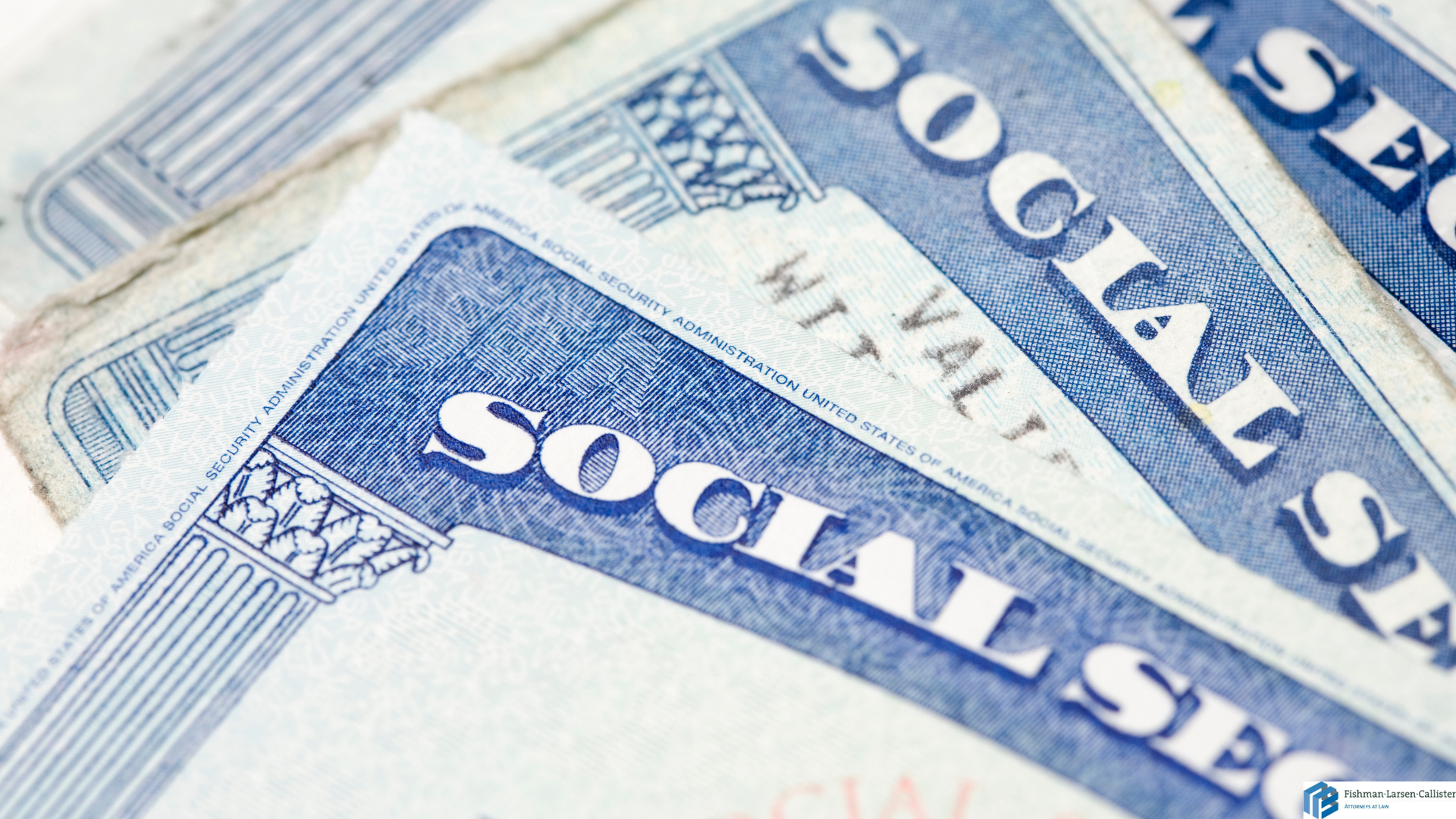
A person can obtain a new social security number for several reasons: Due to identity theft; to escape domestic violence; or to correct an SSA error. Of course, the most common reason for an employee to change a social security number is because the worker was using an invalid number.
When an employer receives a new social security number from an employee, there are two issues the employer must consider: (1) Whether a new Form I-9 must be completed; and (2) whether the company can or should the company take adverse action against the employee.
Completing a New Form I-9. The Handbook for Employers M-274 published by the Department of Homeland Security reads, “You may encounter situations other than a legal name change where an employee informs you that their identity is different from what they used to complete their Form I-9.” The example given is an employee who was working under a false identity and subsequently obtained the legal authority to work in the USA. In this situation, the Handbook instructs, “[Y]ou should complete a new Form I-9. Write the original hire date in Section 2 and attach the new Form I-9 to the previously completed Form I-9 and include a written explanation.”
Thus, if an employee provides you, the employer, with a new social security number, you should complete a new Form I-9. If the documents the employee provides to you to establish identity and authorization to work reasonably appear to be genuine, you must accept those documents. If the documents do not reasonably appear to be genuine, you should give the employee an opportunity to present other valid documents. Supplement B to the current Form I-9 should be used in this process.
Taking Action Against the Employee. Using a false SS number is a federal felony and can, theoretically, lead to imprisonment and a $10,000 fine. But federal law does not require that an employer fire the employee if it is determined the employee provided false information at the time of hire. In fact, many employers do not want to take any adverse action if the employee has been valuable to the organization. But what if the employee has not been valuable, or whose performance has been deficient?
In addition, the use of false information to obtain the job may cause an employer who values honesty to consider whether to take adverse action. This is where California law comes into play.
Labor Code section 1024.6 states that an employer cannot take any adverse action against an employee for updating personal information based on “a lawful change of name, social security number or federal employment authorization document.”
Section 1024.6 was enacted in 2013 with slightly different language. Originally, it barred an employer from taking adverse action against an employee because the employee updated personal information “unless the changes are directly related to the skill set, qualifications, or knowledge required for the job.” One year later, section 1024.6 was amended to replace that language with “based on a lawful change of name, social security number, or federal employment authorization document.”
Does this section as currently written mean that a worker who violated federal law by falsely providing incorrect information on a Form I-9 is nonetheless protected when (s)he changes his/her SS number to the one lawfully assigned? Has there been a lawful change in the social security number when the worker who did not have a number receives one?
There are no published court opinions interpreting section 1024.6. Nor is there sufficient information in the legislative history of section 1024.6 to come to arrive at a definitive answer to this question. Nevertheless, it appears that this is exactly what the California Legislature did.
According to a note in a law review, “In a signal to employers that the practice of discharging employees who provided false work authorization would not be tolerated, the law added new Labor Code section 1024.6.” (Article, The Making of the “Wrongfully” Documented Worker, 93 N.C.L. Rev. 1505, 1548.) In other words, according to this law review, section 1024.6 was enacted to prevent an employer from taking adverse action against the employee for having falsely representing his/her work authorization status. Section 1024.6 is all part of the Legislature’s efforts to protect vulnerable workers who are faced with the prospect of finding lawful employment without authorization.
Thus, taking adverse action against an employee after (s)he provides a new social security number is a risky proposition.
Conclusion. According to the Handbook for Employers an employer must ask the employee to complete a new Form I-9. Attach the two Forms together. Write an explanation about the circumstances regarding the new social security number. If the documents provided to you appear to be reasonably genuine, then you can also sign the new Form I-9. Use Supplement B to document the reverification.
Please contact the attorneys at Fishman, Larsen & Callister if you need assistance with any employment or workplace issues. The Fishman, Larsen & Callister legal team is knowledgeable and well-practiced in representing employers in California.